


Thoughts, Feelings, and Behaviors for Children
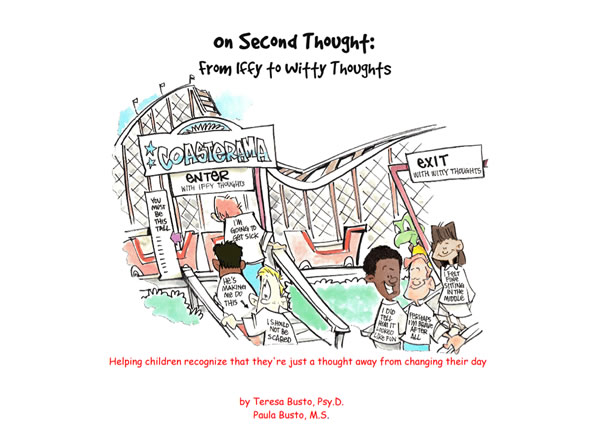
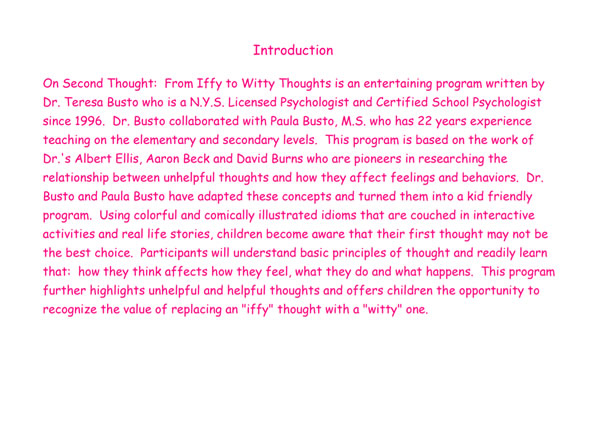
On Second Thought: From Iffy to Witty Thoughts is based on the work of Dr.’s Albert Ellis, Aaron Beck and David Burns who are pioneers in researching the relationship between unhelpful thoughts and how they affect feelings and behaviors.
Dr. Busto and Paula Busto adapted these concepts into a child-friendly educational program. Colorful illustrations, adapted idioms, interactive activities, and relatable situations invite children to consider whether an initial thought is always the most helpful way to view a situation.
Sample Activities
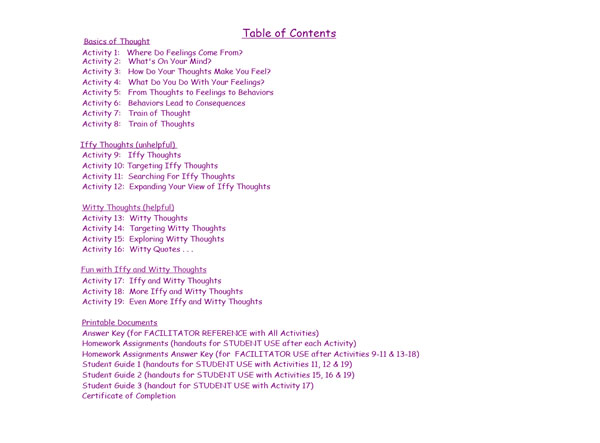
At the end of Activity 1, you will not only be able to answer the question, “Where Do Feelings Come From?”, but you will also be alerted to words people use to express their feelings in any given situation.
Following the list of “Iffy Thoughts” and their definitions, Activity 11 will take you on a journey of “Searching for Iffy Thoughts”. This activity will ask you to identify the “Iffy Thought” that best describes some everyday statements.
Then you will proceed on to Activity 16 for some “Witty Quotes”. This is where you will laugh and giggle through some lighthearted and rib tickling phrases as you try to figure out which iffy or witty thought is being described.
“Iffy” Thoughts
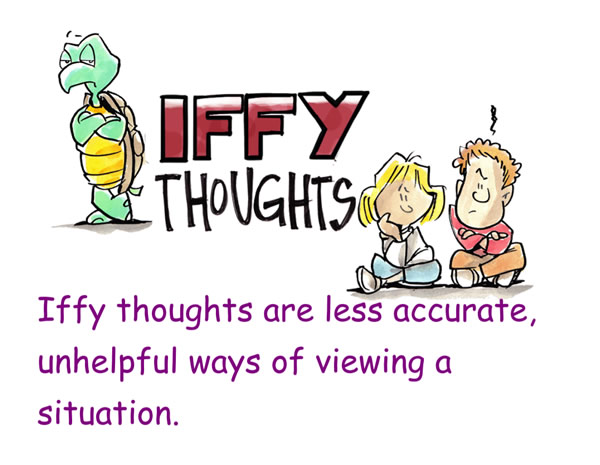
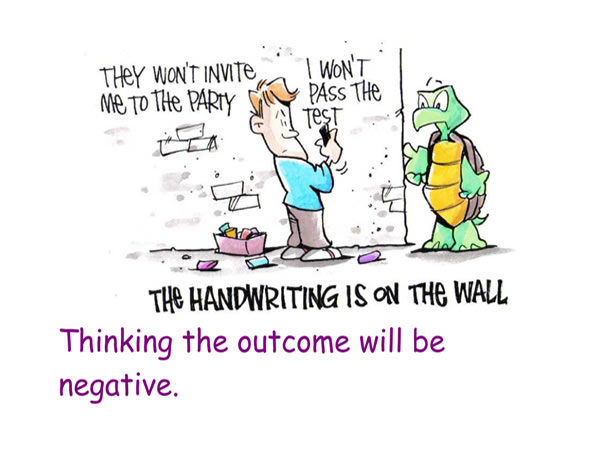
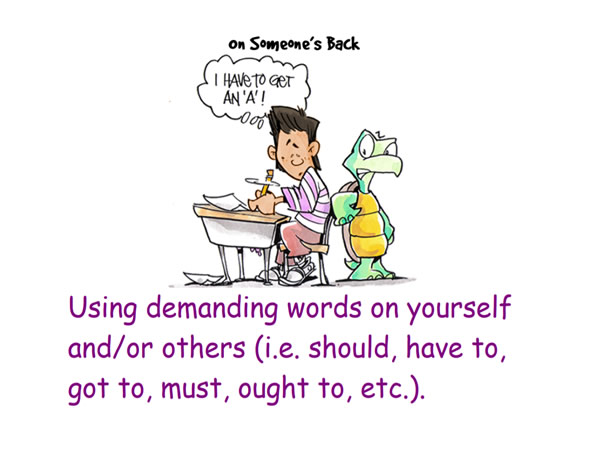
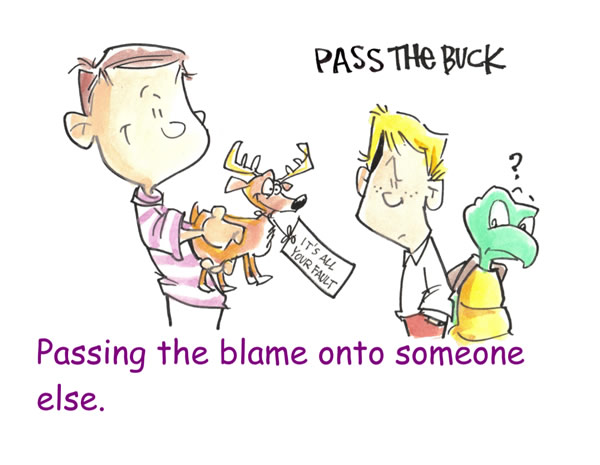
Now it’s time to learn some “Iffy Thoughts”. These bothersome thinking patterns are comically illustrated with amusing, yet relatable titles to further reinforce a deeper level of understanding.
This sample introduces several Iffy Thoughts through familiar situations and adapted idioms.
“Witty” Thoughts
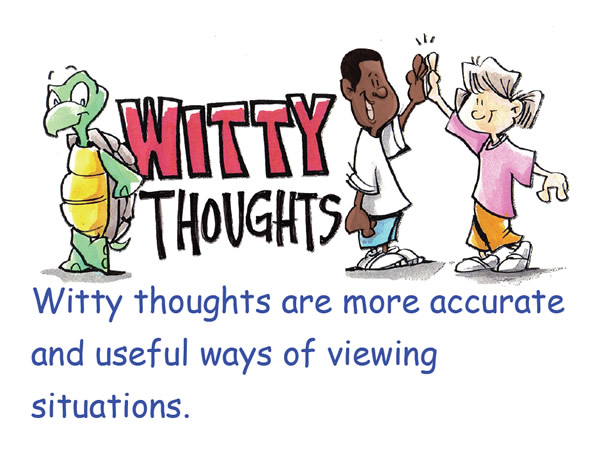
Next, explore several “Witty Thoughts” – more helpful ways of looking at everyday situations. These sensible thinking patterns are presented in an amusing and humorous fashion through cartoon like pictures that are appealing to children, adolescents and adults alike.
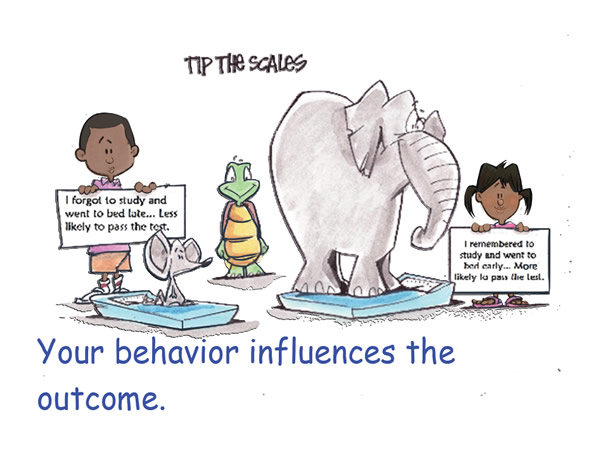
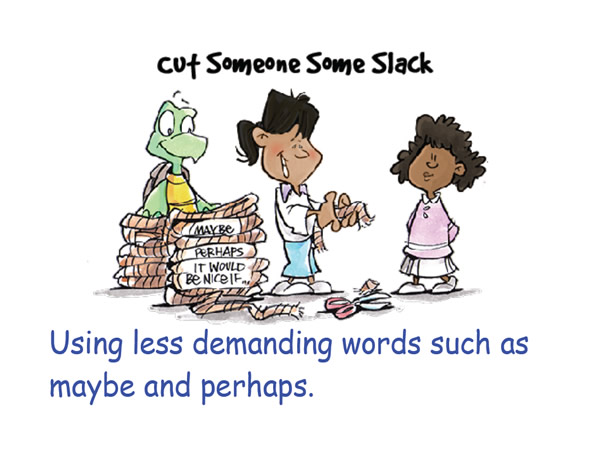
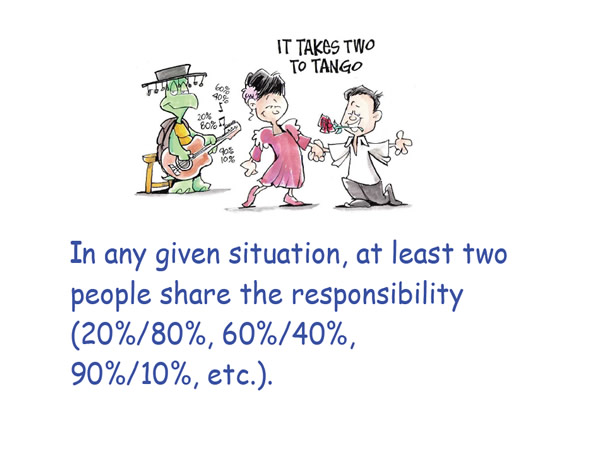
Explore this sample to gain more insight into how to “Tip the Scales” when you want your mother to let you go to your friend’s house, to realize that “It Takes Two to Tango” when your friend forgot to save you a seat in the lunchroom and how to “Cut Someone Some Slack” when you don’t get picked for the team.